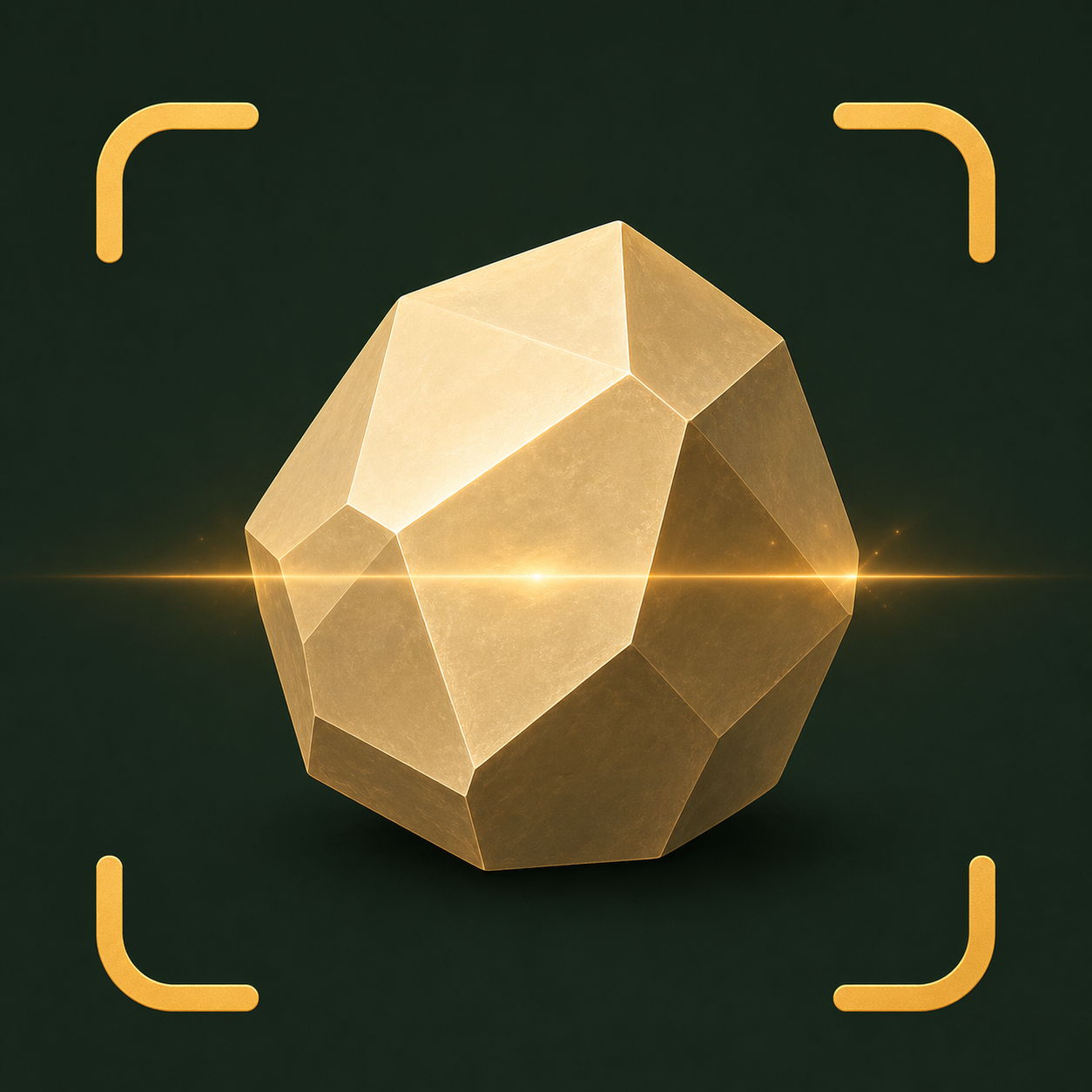
Axinite
Axinite is a group name for a series of calcium aluminum borosilicate minerals that crystallize in the triclinic system, producing distinctively thin, wedge-shaped crystals resembling an axe blade, which inspired its name. It typically forms in contact metamorphic zones where granitic intrusions meet boron-rich sedimentary or volcanic rocks. Its sharp-edged crystal habit and clove-brown to violet color make it one of the more visually distinctive borosilicate minerals collectors encounter.

Axinite properties at a glance
| Type | Minerals |
|---|---|
| Chemical formula | Ca2(Fe,Mn,Mg)Al2(BO3)Si4O12(OH) |
| Mohs hardness | 6.5–7 |
| Crystal system | Triclinic |
| Luster | Vitreous |
| Streak | White |
| Cleavage | Good on {100}, distinct on {001} |
| Fracture | Conchoidal to uneven |
| Specific gravity | 3.27–3.35 |
| Transparency | Transparent to translucent |
| Common colors | Clove-brown, Violet-brown, Honey-yellow, Gray, Blue (rare), Green (rare) |
| Rarity | common |
Geology & background
Axinite forms where hot, boron-bearing fluids from a cooling granite or granodiorite intrusion react with calcium-rich host rocks such as limestone, skarn, or basaltic country rock, producing sharp-edged crystals along fracture zones and cavities. Because its formation depends on this specific combination of boron, calcium, and heat, axinite is restricted to relatively few localities worldwide, including Baja California, the Dauphine region of France, the Bourg d'Oisans locality that lent one variety its name, and parts of Tajikistan and Mexico.
Collectors prize gem-quality axinite for its strong pleochroism, meaning the crystal shows different colors when viewed from different angles, ranging from brown to violet to nearly colorless in a single stone. Facetable material is rare and typically small, so cut axinite gemstones over two carats command a premium among specialty collectors. Because the crystals are thin and bladed, rough specimens are fragile and should be padded carefully during transport to avoid chipping their sharp edges.
How to identify Axinite
Axinite is recognized by its thin, wedge- or axe-shaped crystals with sharp edges, typically clove-brown, violet-brown, or grayish in color, and a vitreous luster. It has a white to pale streak, a hardness of about 6.5 to 7, and lacks distinct cleavage, breaking instead with a conchoidal to uneven fracture. Strong pleochroism, showing different hues from different viewing angles, offers a key diagnostic clue. It is sometimes confused with brown tourmaline, but axinite's flattened, bladed crystal shape differs sharply from tourmaline's rounded, striated prisms.
- Compare the specimen's color, luster, crystal habit, grain size, streak, and locality before confirming.
- Use multiple photos when possible, including a fresh surface and a close view of texture.
Where Axinite is found
Reported from multiple localities worldwide; verify locality against specimen provenance when available.
How much is Axinite worth?
| Entry-level specimen | $2 |
|---|---|
| Typical collector specimen | $20 |
| Premium specimen | $150+ |
Value depends on size, crystal quality, color, locality, rarity, damage, and provenance.
Common uses
- Collector specimens
- Education
- Field identification
- Industrial or lapidary use when suitable
Interesting facts
- Axinite's name comes from the Greek word axine, meaning axe, a direct reference to its thin, blade-like crystal edges.
- Some axinite crystals are strongly pleochroic enough that gem cutters must orient the rough carefully to capture the most attractive color in the finished stone.
- The variety found near Bourg d'Oisans in the French Alps helped establish axinite as a recognized mineral species in the early 19th century.
Care & safety
Handle as a collector specimen until hardness, cleavage, and fracture are verified.
Avoid inhaling dust. Do not cut, grind, or polish unknown specimens without eye protection and a proper respirator.


.jpg?width=320)
.jpg?width=320)